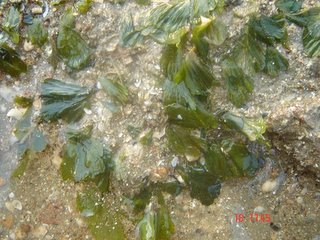
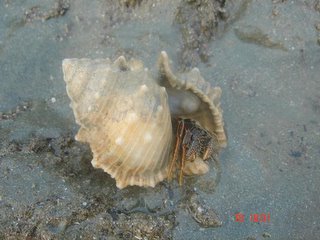
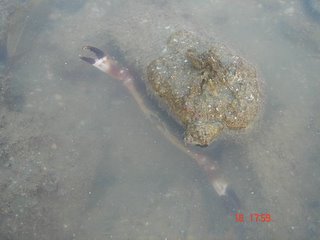
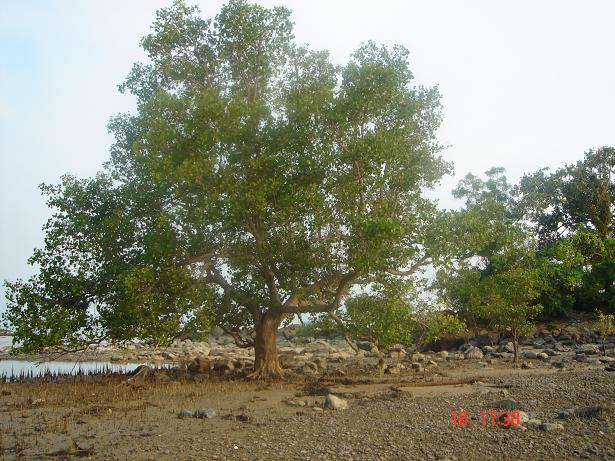
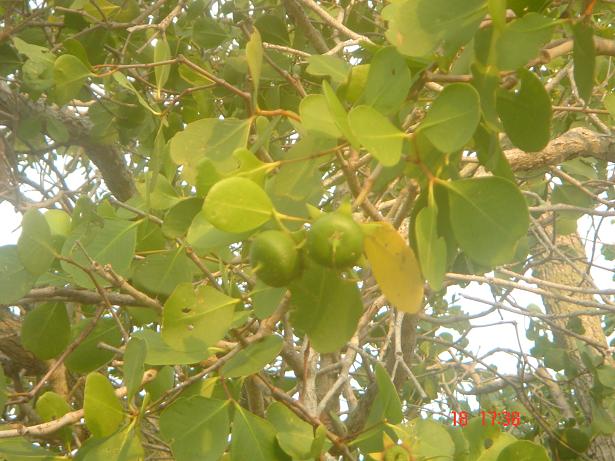
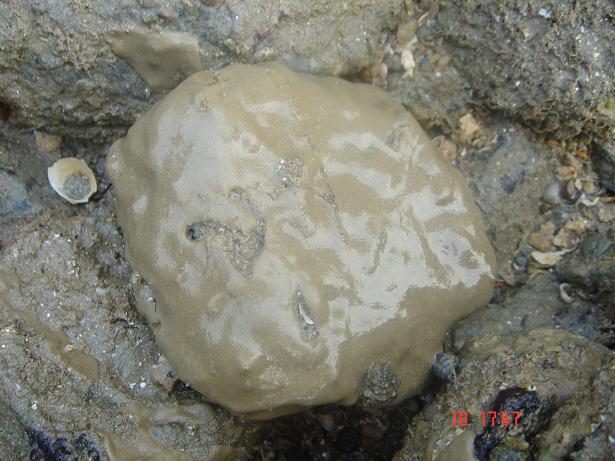
From the Taiwanese TV programme: Our Island - Angry Lobster first and second episode
我們的島 - 憤怒龍蝦(上)(下)
Photos below were taken from Darren Chu's FB.
Text below is from Sin Chew Jit Poh.
时代变迁新旧交替 边佳兰变化大
政府在2011年初宣布的石油与天然气工业中心计划,让位在柔佛州哥打丁宜县东南角的渔村边佳兰,顿时成为举国上下的焦点。
边佳兰区内,主要分成了丹绒本格烈(Tanjung Pengelih)、边佳兰镇(Pekan Pengerang)、头湾(Kampung Jawa)、二湾(Teluk Empang)、大湾(Sungai Kapal)、三湾(Sungai Buntu)、四湾(Sungai Rengit)、五湾(Teluk Ramunia)、六湾(Tanjung Sepang)和七湾(Pungai)。当中最让人知晓的,就是“四湾岛”了。
可是,四湾明明就是一个海湾小镇,为何会被称作“岛”呢?
原来,当年由于四湾的内陆交通并不发达,未有道路从哥打丁宜通往边佳兰,当时当地人若要往外去,都必须经海路通往其他地方,当地居民仿如就像生活在一座小岛般,才衍生出“四湾岛”这个名称。
时代的变迁,也让边佳兰的繁华情景出现变化。
曾是主要行政中心


The sunset from the fishermen's wharf of Kampung Jawa. (By Karen Hong) 头湾版的渔人码头的夕阳。
早年,许多政府行政中心设于边佳兰镇,副县属、邮政局、警局、医院、土地局、推事庭等都聚集该处。但是,边佳兰在1977车被纳入哥打丁宜县议会后,副县属已不存在,不过,主要的政府部门现今仍在该处运作。
也因政府部门林立该处的关系,早年很多居民都居住在边佳兰镇的大街旁。但是,新村制实行及主要通往其他市区的道路开通后,人口的外迁造成大街现今只剩下几户人家仍住在该处,热闹街景已不复在。
此外,再前往边佳兰丹绒本格烈码头的路上,如不仔细留意看路边,该处仍保留着几座当年英军为防卫日本兵而特别建造的战壕,但却被丛林给掩埋了。
至于原本居住在边佳兰各处的华裔居民,因政府在1957年实行新村制度,四面八方的华裔居民都被迫集中搬迁至四湾。因此,四湾就变成了主要华裔居民的聚集区,也就演变成今日边佳兰主要的商业区。
沈丽华:感谢借宿一晚 当年柔苏丹赐地爷爷
《新山历史图片集》里的柔佛华人港主增补表,记载着边佳兰的附近一带的港口为兰玉港,但却未注明港主为谁。
星洲日报走访边佳兰一带时,采访了据说是当年兰玉港港主的后代沈丽华,从她的口述中获悉,当年她的爷爷沈大梓,就是当年三湾和四湾一带的港主。
“曾听闻当年柔佛苏丹阿布峇卡,在前往道佳兰一带打猎时因天色已黑而在森林里迷了路,途径爷爷的住家时,在爷爷家留宿了一夜。”
她说,当时她的爷爷并不知道此人既是柔佛州苏丹,而对方在隔天离开时给了爷爷一支类似拐杖的物品作为信物。
不久后,苏丹再度来访她爷爷时,带了一张地图,并表明其身分。她指苏丹称要感谢爷爷的帮忙,因此赐予爷爷土地。而她的爷爷只在地图上画了一个圈圈,就是现今三湾至四湾约500英亩的土地。
第二代无法负荷地税出售

The vegetable plot right beside of a house. The vegetable is for own consumption and to sell to the vegetable hawker and local grocery shop. (Photo by Sim Li Li) 四湾居民住家旁的小菜圃。住家菜,不放农药。有多余的就卖给街上的店或是巴刹的小贩。
“当时爷爷不知道这一画即是那么辽阔的土地!”
不过,沈老虽然获得了大片土地,却因当时的人烟稀少而致土地并未获得良好开发。但是,沈老还是尽自己的能力,努力开拓了三湾和四湾一带。
沈丽华说,该片土地直到父亲沈坤德那一代的长辈,则因无法负荷地税而决定出售,最终由一名来自新山的大老板购得。
3道路以领袖名字命名
边佳兰的四湾,共有3条道路以当地领袖名字命名,分别是Jln Hee Seng、Jln Koon Teck和Jln Abu Bakar。
星洲日报驻边佳兰通讯员颜英杰指出,“jln Hee Seng”,是以四湾新村于1981至1992年的村长刘熙成的名字命名;“Jln Koon Teck”,则是1970至1975年地方议会主席沈坤德的名字命名;“Jln Abu Bakar',则是一名边佳兰的巫裔太平局绅阿布峇卡。
沈丽华说,当时他的父亲沈坤德成为地方议会主席时,也是当地的大慈善家,以批发椰子为业,曾帮了不少当地居民,因此政府才以父亲的名字命名街道。
每个海湾至少有一座庙

Big incense sticks during temple festival. 作酬神戏时都有点的大香。
当地另一个地方特色,是每一个海湾都至少有一座庙宇,内里供奉的神明都是要来保佑每一处渔民的平安。
77岁在码头谋生 王可传:现今生活改善了


Sunset at Sungai Rengit Hawker Centre (Medan Selera Sungai Rengit). 四湾小贩中心处所看到的夕阳。
14岁从海南岛南来的王可传(99岁)表示,他年轻时住过很多地方,直到17岁时才前来边佳兰谋生,常在丹绒本格烈码头售卖杂货给日本人及印度工人。
他说,当时边佳兰树胶芭园主多属日本人拥有,因此有不少日本人在此生活过,二战时虽然日本兵有进驻此地,但印象十并未大开杀戒,只是路经此地。
他指出,44岁时他才举家定居于四湾,售卖传统海南咖啡,之后才转为在家售卖咖啡粉,直到现在都还是一手包办,收钱算钱都难不倒他。
“边佳兰的变化的确很大,当年的咖啡一杯才卖2分钱,如今生活改变,大家日子都过得好多了。”
夏恭廉:当年仅沿海有人住 边佳兰狮城交往频密
9岁就从中国汕头与母亲飘洋过海,前来边佳兰与父相聚的夏恭廉(88岁)指出,当时他和母亲坐了整整一个星期的船,才到达头湾与父会合,之后便在此落地生根。
他说,当时边佳兰只有沿海一带有人居住,通往哥打丁宜的道路还未开通前,大家都以为边佳兰是一座岛,因此“四湾岛”、“大湾岛”等称呼才会因此出现。
他指出,当时父亲饲养鸡鸭和猪,通过水路运送至新加坡售卖,因此两岸人民的情结非常深厚,就算是新加坡独立后实行了护照入境制,但两地人民的来往都从未间断过。
年轻人往外发展变老人村

The main street of Kampung Jawa. 大湾的大街。老人,老街。
“当年乘坐渔船前住新加坡璋宜码头只需50分钟,两岸人民的来往非常频密,渔获椰子等都是批发至新加坡。”
夏恭廉表示,六十年代出边佳兰还有很多人居住,直到七十年代尾开始交通发达后,很多年轻人都往外地发展,边佳兰也就慢慢成为“老人村”。目前多数的居民都只剩老人和渔民仍居住此地。
他说,其实边佳兰除了盛产龙虾外,“峇拉煎”的原料小虾,也是其中一个边佳兰享誉全国的本地产品。不过,因海床受到影响,小虾子不适应目前的海床生态,小虾子已经慢慢减少了,“峇拉煎”的原料供应也就慢慢消失了。
颜英杰:早期道路发展不完善 72公里路骑8小时摩哆
当年被委派前来边佳兰育本小学当临教的颜英杰表示,他本身是笨珍文律人,当年道路发展不完善,他单单是从四湾骑摩哆车到哥打丁宜,72公里长的路途就需花费8小时。当时,一路上只见黄泥地及原始森林,全是崎岖不平的道路。
他说,边佳兰共有4所华小,分别是大新华小、育本华小、培民华小和培正华小,而他本身就曾在育本、培民和培正服务过,目前则是育本小学的合约老师。
“以前放学后我都会骑脚车在海边闲逛,当时的海岸线非常的美丽,可惜却遭到天灾和人为影响,美丽风景逐渐消失。”
99年大涨潮掩盖大片沙滩

View from Desaru Bridge. 拍自迪沙鲁大桥。
他犹记,1999年曾发生过大涨潮,海水推前数百米,造成大片沙滩深埋海中。而90年代初很多国际货船因我国停泊费低廉,因此都会停留在边佳兰海域一带,一望无际的海域风景也就这样被遮盖了。
颜英杰说,以前的屋子多属于高脚屋,底部用作饲养家禽或存储物品的地方,但随着时代的改变,还保留下来的高脚屋底部都改为房间,现代人都充分的利用空间。
“虽然很多人认为边佳兰是一处遥远的渔村,可是曾在此处生活过的人士,都会詖此地乡情和风景所吸引,因此我才决定在此落地生根。”

==========
A Bit of the Chinese Residents' History From Studying the Old Tombs at Different Cementries:

Night view of beach at Sungai Rengit. 月亮圆,四湾海滩的夜景。
畢業自北京大學國際政治系法學碩士的青年學者莫家浩,昨天在新山陶德書香樓「周日書香下午茶」系列講座主講《邊鎮遺事:邊佳蘭義山考察》中指出,邊佳蘭在港主時代有甘蜜種植,之後又有幅員廣闊的膠園和椰園,還有豐富魚產和礦產,是一個集人文歷史、生態自然,尋找傳奇故事的寶地。若從歷史探源,觀音山的觀音亭建廟可上溯至1810至1830年上下,這個年代比柔佛新山的開埠(1855)還要早。
邊佳蘭幅員廣大,資源豐富,往北溯柔佛河可達舊柔佛王都,沿岸是江山多嬌的柔佛東南大森林。南臨新加坡(德光島)和廖內群島,是捕漁和海商的必經之地。
莫家浩在講座中,以邊佳蘭頭灣、二灣和三灣義山的實地田野調查,整理分析墓碑數據,勾勒出邊佳蘭華人歷史模糊的輪廓。簡言之,早在19世紀中葉邊佳蘭已有華人拓墾的足跡。就義山墓碑的統計考察,頭灣廣東義山主要以豐順客為多,大埔客次之。而福建義山以紹安人為多,另有東山、澄海邑人之墓。惟二灣義山則以金門(陳氏)人士為主,三灣義山則是紹安、金門、澄海邑人之墓各佔三分一。
邊佳蘭地區亦有清朝古墓,並發現有與會黨相關的「氵月」墓多座。特殊的是,這些「氵月」墓並不相類於新山的潮州人墓,而是金門人士之墓。
就業方面,豐順客家人早期在較內陸地區割膠,紹安、澄海人則以捕魚為生,另有椰園種植。港主時代有甘蜜種植,但分布區域似乎是在東岸的七灣和中部較內陸的觀音山一帶,該地亦有清朝同治年間的潮州墓。
沒有史料,就沒有歷史的發言權,青年學者莫家浩為邊佳蘭歷史做了一些填補。
當天出席觀眾有不少年輕人,邊佳蘭住民亦特地前來聆聽並全程錄影,他們懇切希望主講人能把這些史料訊息也帶到邊佳蘭社群中去。其他出席者還包括書香樓副主席葉迎章、理事劉隆昌、新山客家公會前會長蕭光華及新山華族歷史文物館管委會主席何朝東等。


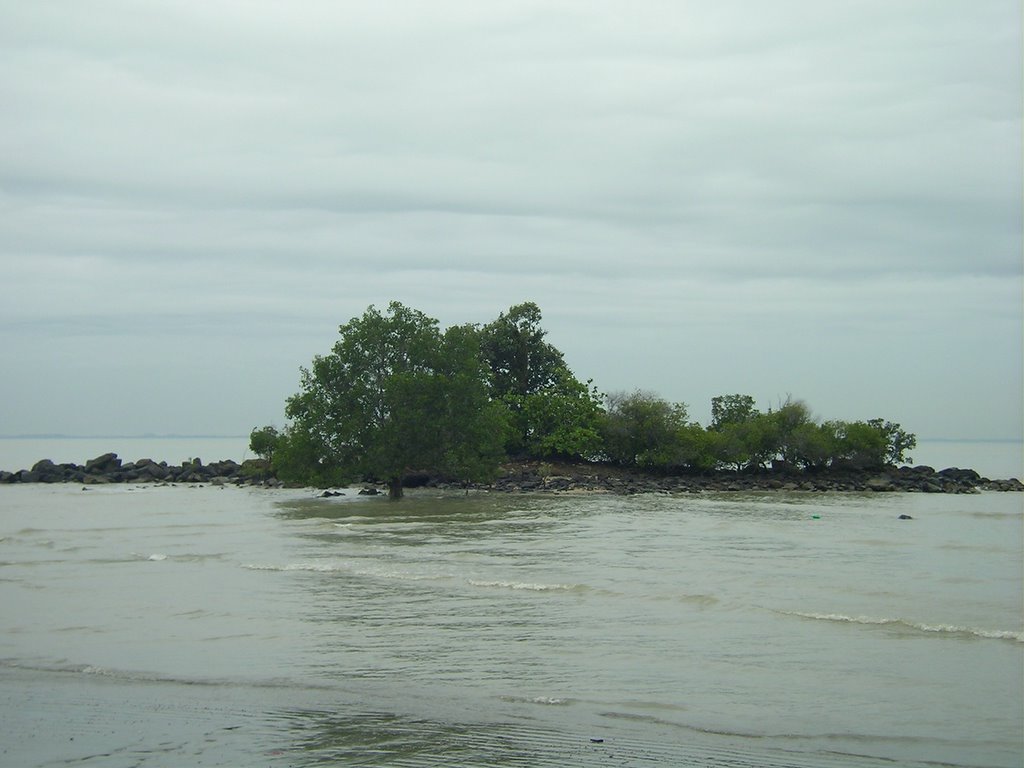
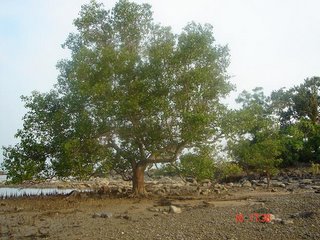
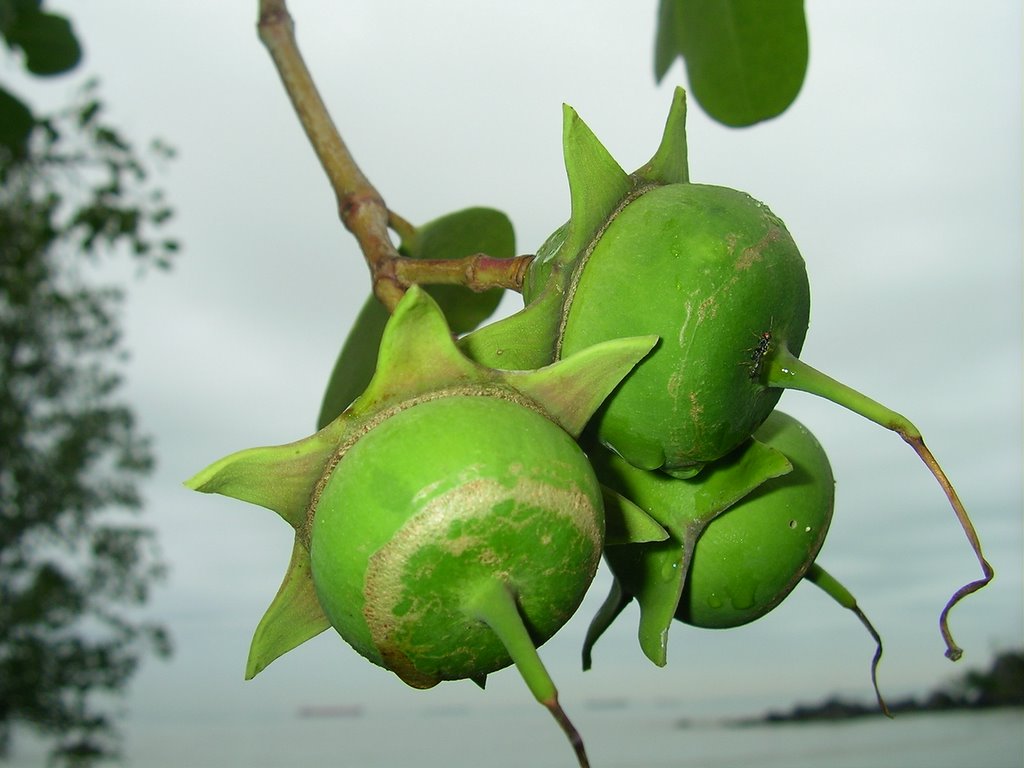

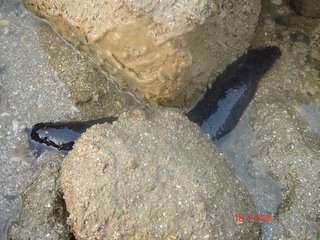
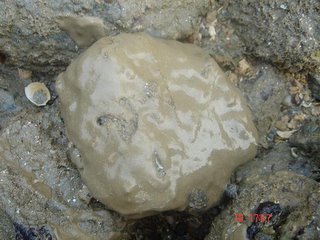
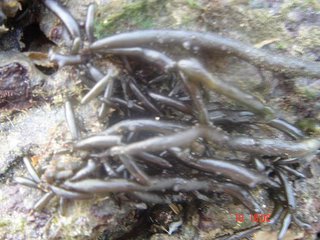 Red Seaweed