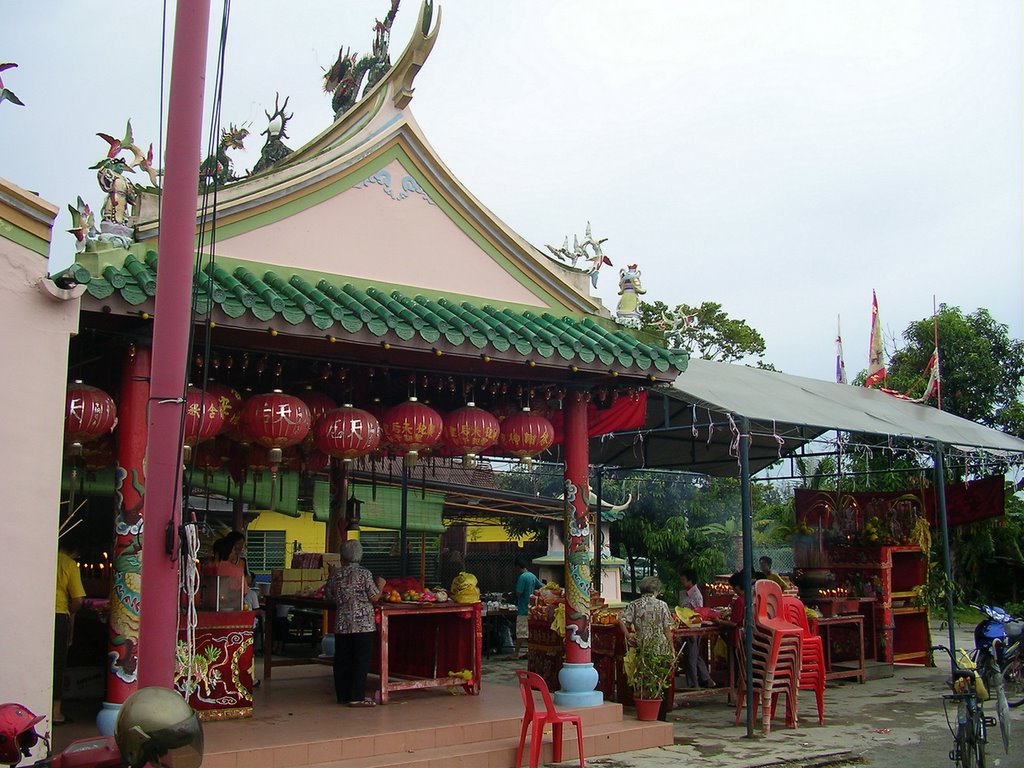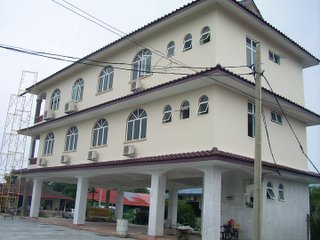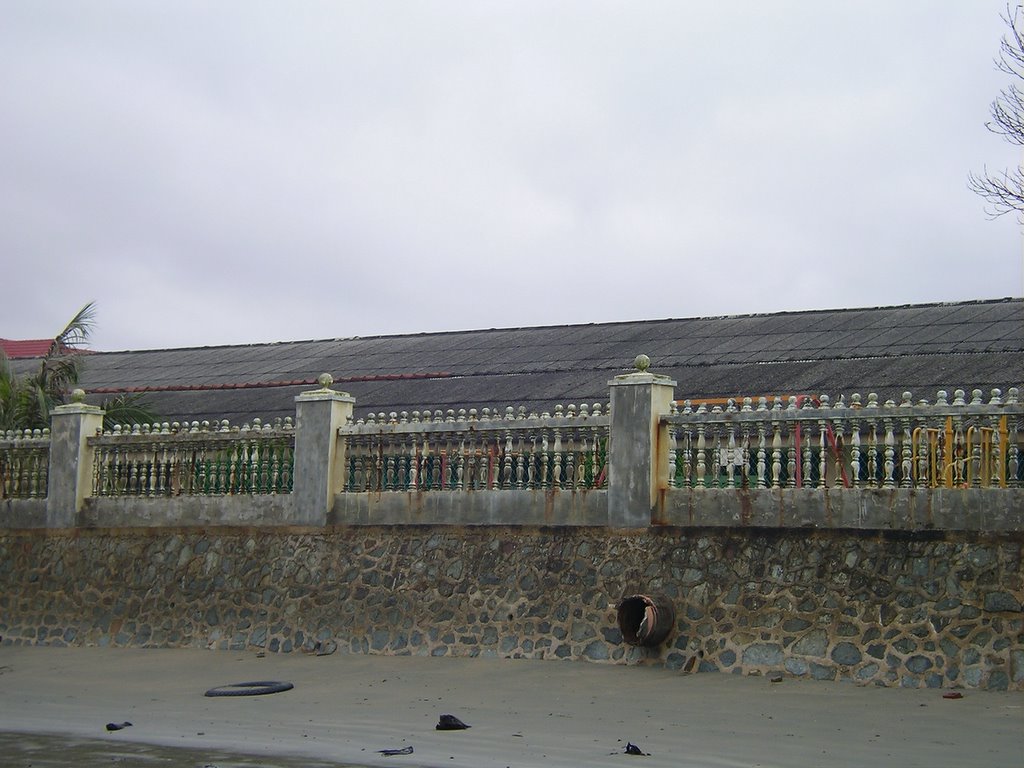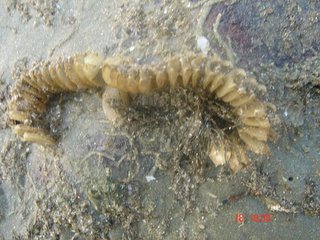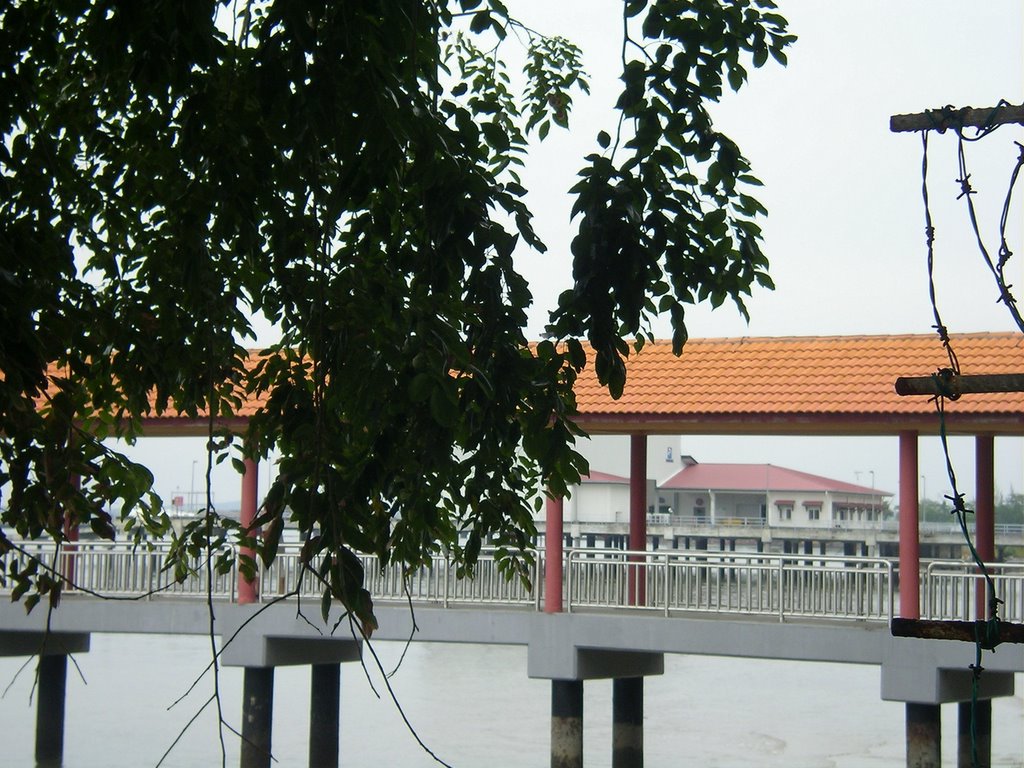
- From Singapore Changi Point Ferry Terminal (the same jetty you used to go to Pulau Ubin).
- Submit your passport to the boatman outside the immigration. They will copy your details in passport and return the passport to you later. The boat will only leave when they get enough of 12 or 13 persons. Each person is S$8 and pay the boatman on the boat.
- Remember who is your boatman and get from him his boat number. All people in the same boat will have to queue up together for immigration clearance.
- The journey is around 1 hr 5 minutes and sometimes the sea can be turbulent.
- When arrive at Tanjung Pengelih Jetty, just go by yourself to the immigration office for immigration clearance.
- You may charter a taxi (RM 16) or share with others (RM 4.50) to go the biggest town, Sungai Rengit. The taxi won't leave without 4 persons.
- The last boat leaves at 4pm. If you don't intend to stay in the town, make sure your taxi leave Sungai Rengit by 3.30pm. The return boat fare is RM10 before 1pm and S$8 after 1pm. (However there are cases that, during public holiday or weekend, due to massive crowd, the boatmen stop taking late comer as early as 3pm. So the boat system is a bit uncontrolled.)
- During your return, submit your passport to the security guard at Tanjung Pengelih. They will pass your passport to the boatman and the boatman will get your passport stamp and return to you on the boat. Before the boat departs, check you passport to make sure that they did stamp it! Inform the boatman immediately if your passport is not stamped. Pay the boat fare on boat.
* Due to the hiking petrol and diesel prices in Malaysia, the boat fare is slightly more expensive now. (As above - updated 10 Apr 06)
* Photo taking near the jetty and custom is now prohibited. So... if you really want to, just avoid to be catched by the security guard. :)
* Updated 1 Sept 06: An anonymous passed this info to me. Might be useful to some of you who are looking for direction or confused.
"Changi Ferry Terminal" is actually another jetty to Desaru.
http://app.ica.gov.sg/about_ica/checkpoints.asp#c9
"Changi Point Ferry Terminal" - This checkpoint serves travellers to and from South Eastern Johor e.g. Pengerang District.
For enquiries, contact: Immigration & Checkpoints Authority, Changi Point Ferry Terminal, 51 Lorong Bekukong, Singapore 499172.
 The boats from and to Singapore and Indonesia stop here. The green building is for the immigration and custom. The hill behind of the jetty is the location of Johore Battery, the same structure with Changi Battery (the big gun build by British during World War II to protect Singapore from the invasion of Japanese). While the Singapore Changi Battery is well protected to become a national heritage cum tourist spot, the Johore Battery is left to become a ruin.

A WWII structure left on the hill.
 Since the Royal Navy shifted from Woodlands, Singapore to Tanjung Pengelih, there are always news about the government wanted to close down this jetty for security reason of the navy base.
 This issue is complex. It involved the rice bowls of the boatmen, taxi drivers and the stall owners who earn their living at the jetty. Many villagers, like me, are working or studying in Singapore and are very much rely on this jetty. Of course we don't want this jetty to close down!
If this jetty does been closed down, then all have to use the ferry terminal in Sebana Golf & Resort, which is 25 minutes away from the main town, Sungai Rengit. The ferry fare is more expensive and so as the taxi fare to access to the resort. Sebana provides their own ferry service, so what will become to the operators of the bumb boat?
* When i went back during Chinese New Year 2006, the boatmen said, the government is not going to close down this jetty already. In fact, some construction works have been carried out to expand the jetty's very narrow road.